Roots and Renewal: 10 Grassroots Arts Programs Rebuilding American Communities from the Inside Out
The arts have always done more than produce beautiful objects. At their most socially purposeful, creative practices build trust between neighbors, transmit knowledge across generations, provide economic pathways for marginalized communities, and offer individuals a means of processing and expressing experiences that resist ordinary language.
The ten organizations profiled below understand this deeply. Each operates at the intersection of artistic excellence and community need, and each has developed models of engagement that other organizations — and funders — would do well to study. They are listed not in order of importance, for all are doing essential work, but to offer a geographically and programmatically diverse portrait of what community-led arts practice looks like across the United States today.
1. Destiny Arts Center — Oakland, California
Founded in 1989, Destiny Arts Center has spent more than three decades offering youth in Oakland's most under-resourced neighborhoods access to rigorous training in hip-hop, martial arts, dance, and theater. The organization's flagship Youth Performance Company brings together teenagers from across the city to create and perform original works that grapple with issues of identity, justice, and community.
What distinguishes Destiny is its holistic model: participants are not simply students but collaborators, involved in every stage of creative development. Many alumni have gone on to careers in the arts, education, and social work.
How to support: Donate at destinyarts.org, attend public performances, or inquire about volunteer teaching opportunities.
2. Alternate ROOTS — Atlanta, Georgia (Regional)
Alternate ROOTS is a membership organization supporting artists and cultural organizers in the South who create work rooted in particular communities and places. Its members include theater makers, visual artists, musicians, and community organizers working across Appalachia, the Deep South, and the Gulf Coast.
The organization provides financial support, professional development, and a network of solidarity for artists whose work often falls outside mainstream funding categories. Its annual gathering is a remarkable convergence of creative and activist energy.
How to support: Become a member, donate to the artist support fund at alternateroots.org, or attend regional events.
3. Groundswell — New York City, New York
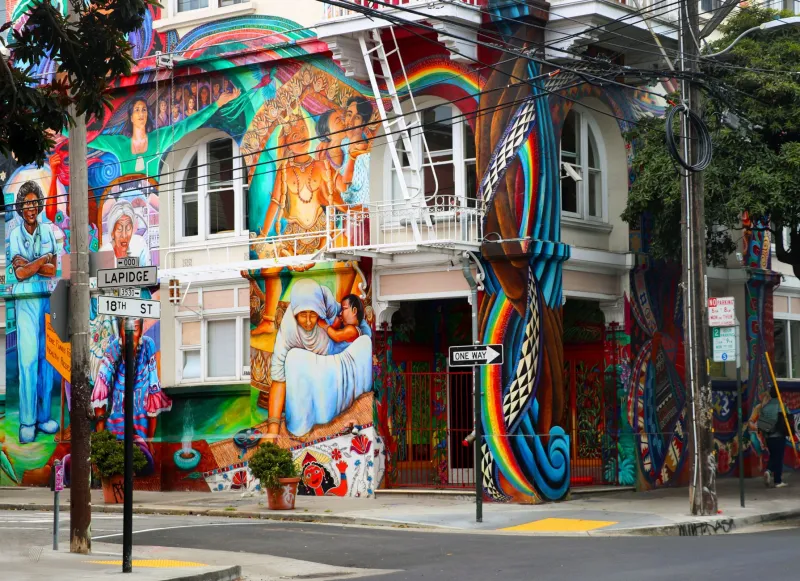
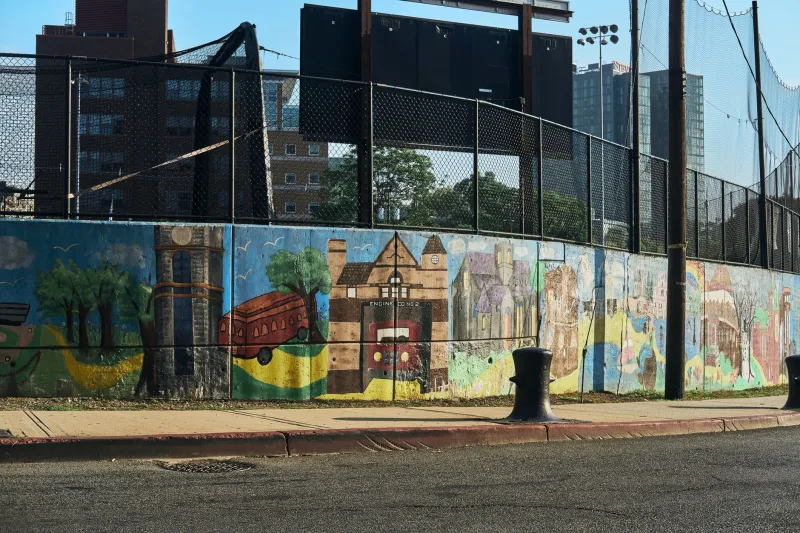
Groundswell is New York City's leading community muralism organization, having produced more than 500 public artworks across all five boroughs since its founding in 1996. Its model is distinctive: professional artists work alongside youth participants and community members to create murals that reflect the specific history, concerns, and aspirations of the neighborhoods where they are sited.
The result is public art that genuinely belongs to its community — not imposed from outside but grown from within. Groundswell's education programs also provide paid apprenticeships for young artists, creating economic opportunity alongside cultural expression.
How to support: Donate at groundswellmural.org, commission a community mural, or nominate a site in your neighborhood for a future project.
4. Native Arts and Cultures Foundation — Vancouver, Washington (National)
The Native Arts and Cultures Foundation (NACF) is one of the few national organizations dedicated exclusively to supporting Indigenous artists across the United States. Through fellowships, residencies, and community grants, NACF invests in the full spectrum of Native creative expression — from traditional visual arts and performance to contemporary film and digital media.
NACF's approach is grounded in the principle that Native artists are best positioned to determine what their communities need, and that sustainable cultural vitality requires economic investment in individual artists as well as community institutions.
How to support: Donate at nativeartsandcultures.org, attend NACF-supported events in your region, or advocate for Indigenous arts funding with your elected representatives.
5. Pillsbury House + Theatre — Minneapolis, Minnesota
Pillsbury House + Theatre operates at the intersection of social services and artistic practice in the Powderhorn neighborhood of Minneapolis. Its theater program produces original works created in deep collaboration with community members, while its broader organizational work addresses food security, youth development, and economic opportunity.
The organization's Naked Stages program provides a particularly valuable platform: a low-barrier, low-cost opportunity for emerging artists — many of them from communities of color — to develop and present new work without the gatekeeping that characterizes much of the mainstream theater world.
How to support: Purchase tickets, donate at pillsburyhouseandtheatre.org, or participate in community engagement events.
6. Appalshop — Whitesburg, Kentucky
Founded in 1969 in the heart of Appalachian Kentucky, Appalshop is a multidisciplinary arts and education center that has spent more than five decades documenting, celebrating, and amplifying the culture of the Central Appalachian region. Its programs span film and video production, radio broadcasting, theater, music recording, and archival preservation.
Appalshop's Roadside Theater has pioneered a model of community-specific performance that has influenced practitioners across the country. Its oral history archives constitute an invaluable repository of Appalachian memory and experience.
How to support: Donate at appalshop.org, tune in to WMMT Mountain Community Radio, or purchase recordings and publications from the Appalshop store.
7. Tia Chucha's Centro Cultural — Sylmar, California
Founded by poet and activist Luis J. Rodriguez, Tia Chucha's Centro Cultural operates in the northeast San Fernando Valley as a bookstore, performance space, and cultural center serving a predominantly Latino community. Its programming includes writing workshops, music and dance classes, youth leadership development, and healing arts initiatives.
Tia Chucha's is notable for its explicit integration of cultural practice and community wellness — recognizing that the arts are not separate from the social challenges communities face but are among the most powerful tools available for addressing them.
How to support: Shop at the bookstore, register for workshops, donate at tiachucha.org, or attend monthly community events.
8. DreamYard Project — Bronx, New York
DreamYard has been building arts education infrastructure in the Bronx since 1994, partnering with public schools and operating community studio programs that serve thousands of young people annually. Its approach emphasizes arts integration — embedding creative practice across academic disciplines — while also providing standalone studio instruction in visual art, spoken word, music, and design.
The organization's workforce development programs create paid opportunities for young adults in arts administration and education, building a pipeline of community-rooted cultural workers.
How to support: Donate at dreamyard.com, attend the annual benefit, or explore corporate partnership opportunities.
9. Craft Emergency Relief Fund (CERF+) — Montpelier, Vermont (National)
CERF+ serves professional craft artists across the United States who face career-threatening emergencies — studio fires, medical crises, natural disasters, and equipment loss. By providing emergency grants, loans, and professional development resources, the organization ensures that master craftspeople can continue their work even when catastrophe strikes.
In a cultural ecosystem where heritage craft skills are often concentrated in individual practitioners, protecting those individuals is itself an act of preservation. CERF+ understands this with unusual clarity.
How to support: Donate at cerfplus.org, purchase craft work from artists in the CERF+ network, or spread awareness among craft artists who may not know this resource exists.
10. Chicago Cultural Alliance — Chicago, Illinois
The Chicago Cultural Alliance is a coalition of more than forty ethnic cultural museums, centers, and archives in the Chicago metropolitan area, working collectively to strengthen heritage institutions that serve immigrant and diaspora communities. Member organizations represent cultures from across Asia, Africa, Latin America, Eastern Europe, and the Middle East.
The Alliance provides capacity-building support, facilitates collaboration across member institutions, and advocates for public funding for ethnic cultural organizations. Its annual Heritage Festival is a beloved civic event that draws tens of thousands of participants.
How to support: Visit member institutions, donate at chicagoculturalalliance.org, or volunteer during Heritage Festival programming.
The Larger Picture
These ten organizations represent a fraction of the community-led arts work happening across the United States at any given moment. In every region of the country, in cities and rural communities alike, artists and organizers are building institutions that serve their neighbors with creativity, rigor, and love.
Supporting this work is not a charitable act in the conventional sense — it is an investment in the social and cultural infrastructure that makes community life meaningful. At Thiqar Arts & Heritage, we encourage our readers to find the organizations doing this work in their own communities, to show up, to give generously, and to recognize the arts not as an amenity but as a necessity.