Thiqar Arts & Heritage Celebrating Culture, Community, and Creativity

Thiqar Arts & Heritage

Celebrating Culture, Community, and Creativity

Latest Articles

Packets of Continuity: Seven Lending Gardens Where Immigrant Growers Bank Their Culinary Memory
Community Initiatives

Packets of Continuity: Seven Lending Gardens Where Immigrant Growers Bank Their Culinary Memory

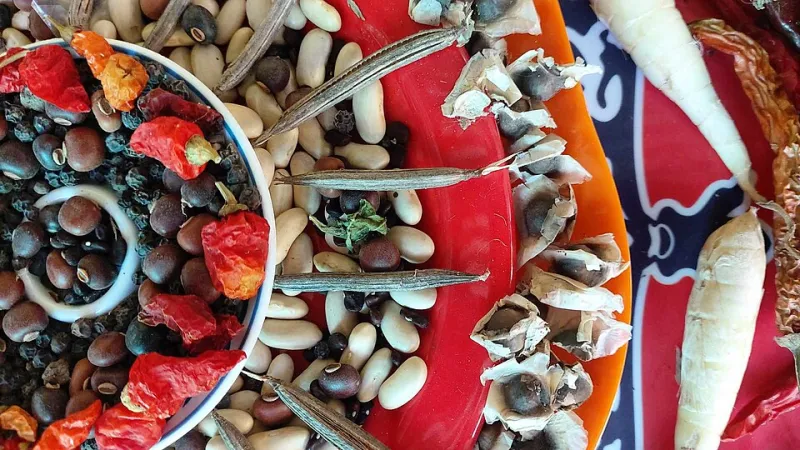
Across the United States, seed libraries are doing more than lending packets. They are preserving the crops that anchor immigrant and Indigenous foodways, one returned seed and one family recipe at a time. These seven collections show how borrowing policies, workshops, and quiet debates over authenticity shape what counts as heritage.
Names in the Weeds: The Volunteers Charting America's Immigrant Burial Grounds
Heritage & Community

Names in the Weeds: The Volunteers Charting America's Immigrant Burial Grounds

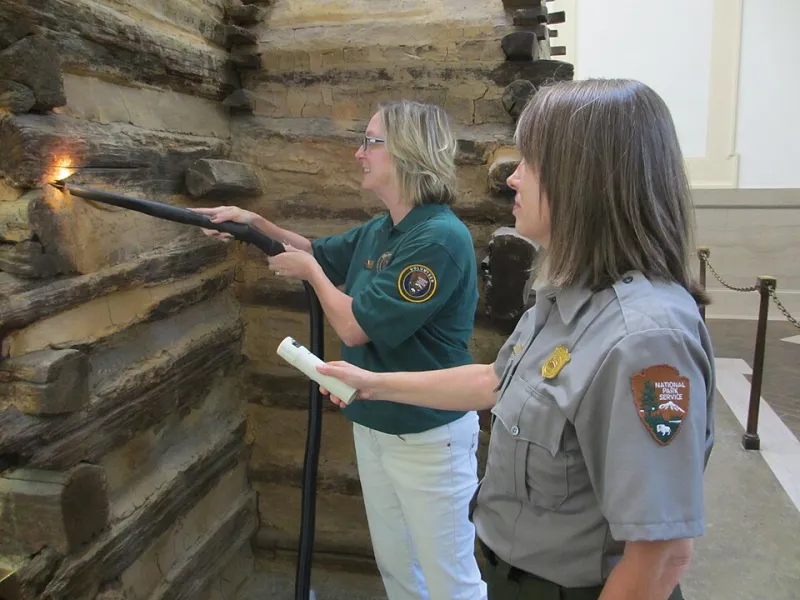
In neglected immigrant and community cemeteries across the United States, volunteer brigades are cleaning stone, translating inscriptions, and mapping graves that municipal records have overlooked. Their work raises urgent questions about conservation, neglect, and who is remembered as belonging to a place.

The Calendar Is Not a Commitment: Why Heritage Months Cannot Substitute for Year-Round Cultural Funding
Arts & Culture Opinion

The Calendar Is Not a Commitment: Why Heritage Months Cannot Substitute for Year-Round Cultural Funding

As Native American Heritage Month 2026 comes to a close, museums, schools, and funders face a familiar temptation: pack up the display and wait for next year. This opinion piece argues that cultural heritage is everyday infrastructure, not a seasonal calendar event, and that sustained funding and paid community archivists are the only credible commitment.

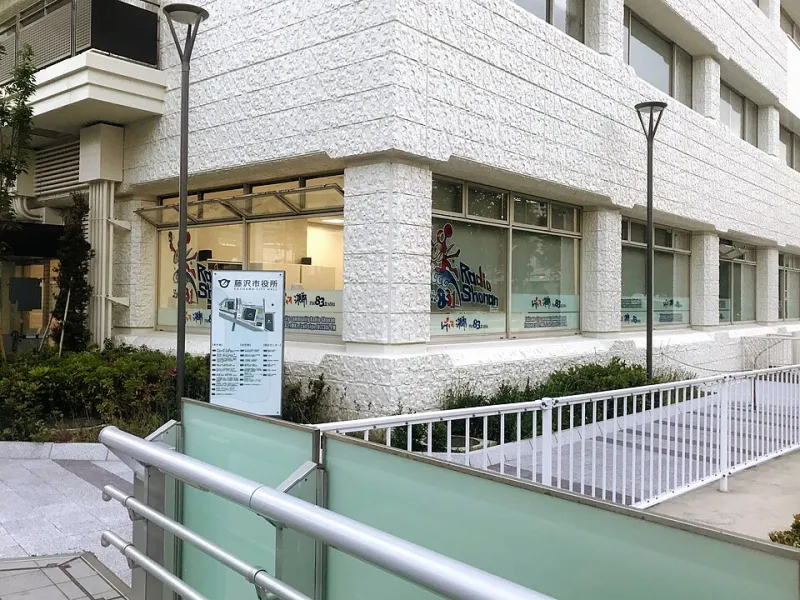
The Signal Next Door: Why Community Radio Remains Cultural Infrastructure
Arts & Culture Opinion

The Signal Next Door: Why Community Radio Remains Cultural Infrastructure

Low-power FM stations are easy to overlook in a streaming economy, but they perform cultural work that algorithms cannot: they carry immigrant-language programs, local music, oral histories, and emergency information. Their fragility is a civic issue, not merely a broadcasting one.

The Bench Where Knowledge Is Repaired: Inside America's Fix-It Gatherings
Heritage & Community

The Bench Where Knowledge Is Repaired: Inside America's Fix-It Gatherings

Repair cafés are often framed as environmental projects, but their deeper work is cultural: they keep tacit skills, object histories, and neighborly conversation in circulation. In church halls and libraries across the U.S., volunteer fixers are turning broken lamps and stubborn toasters into classrooms for living heritage.

The Seams That Remember: Five Community Quilts Turning Local History Into Cloth
Community Initiatives

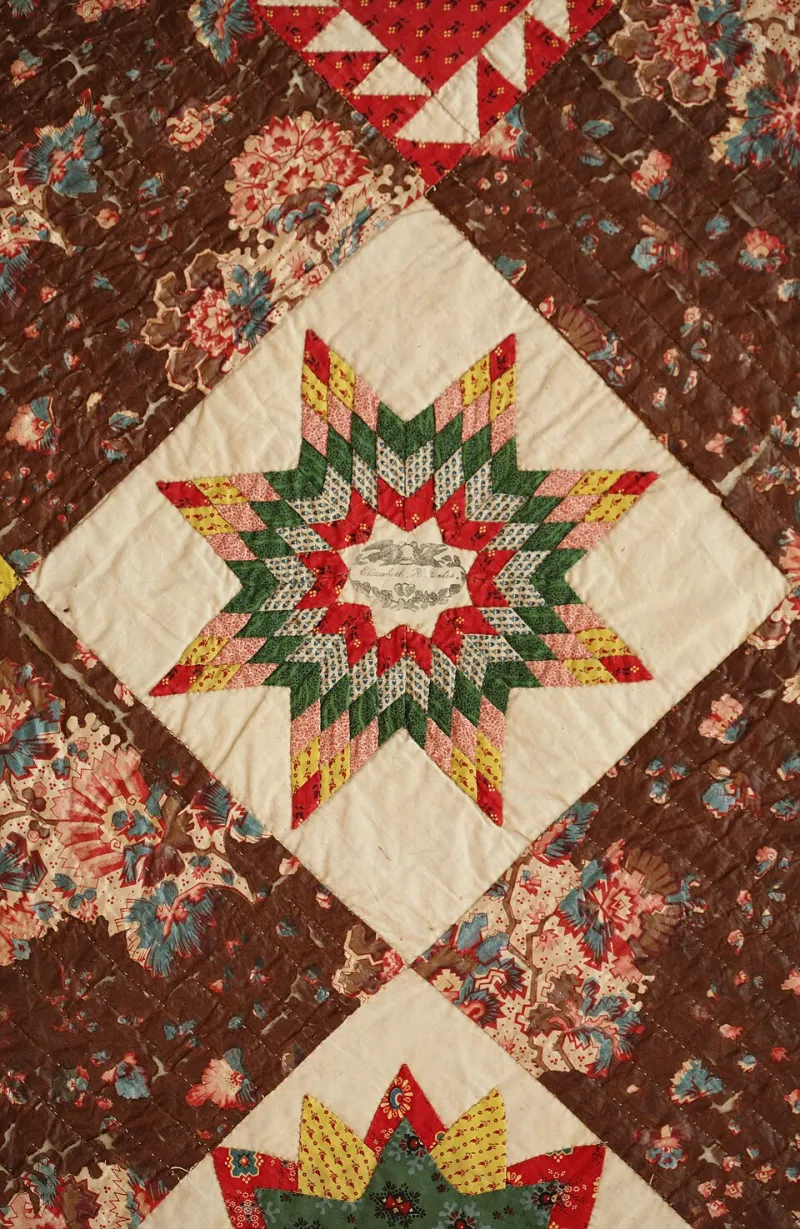
The Seams That Remember: Five Community Quilts Turning Local History Into Cloth

Community quilts are more than craft projects; they are research-driven, tactile archives that record migration, labor, loss, and belonging. These five projects show how local groups turn fabric, oral history, and public display into a shared historical record.

After the Bunting: Small Towns Turn the 250th Anniversary Into a Test of Memory
Heritage & Community

After the Bunting: Small Towns Turn the 250th Anniversary Into a Test of Memory

The semiquincentennial has passed, but in small towns across the country the real work is only beginning. Grassroots committees are using the anniversary year to surface overlooked histories and to ask what patriotism looks like when it includes everyone.

The Chair Keeps Talking: Barbershops as Neighborhood Memory Rooms
Arts & Culture Opinion

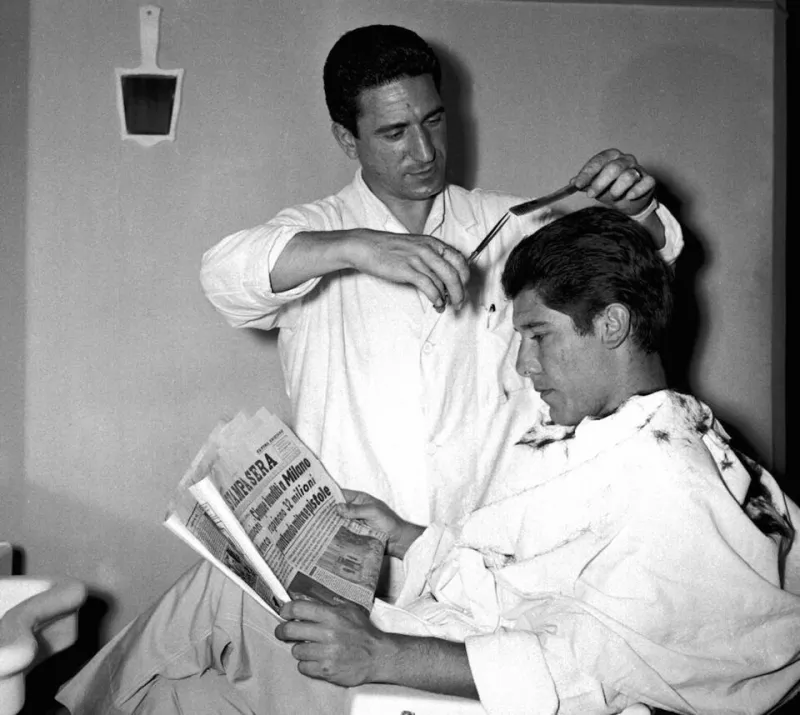
The Chair Keeps Talking: Barbershops as Neighborhood Memory Rooms

In Black barbershops, the chair has always done more than hold a customer. A growing number of shops are turning everyday intimacy into formal archives, recording oral histories and partnering with libraries to keep neighborhood voices from slipping away.

Shelves of Belonging: How Ethnic Grocers Keep Heritage in Stock
Community Initiatives

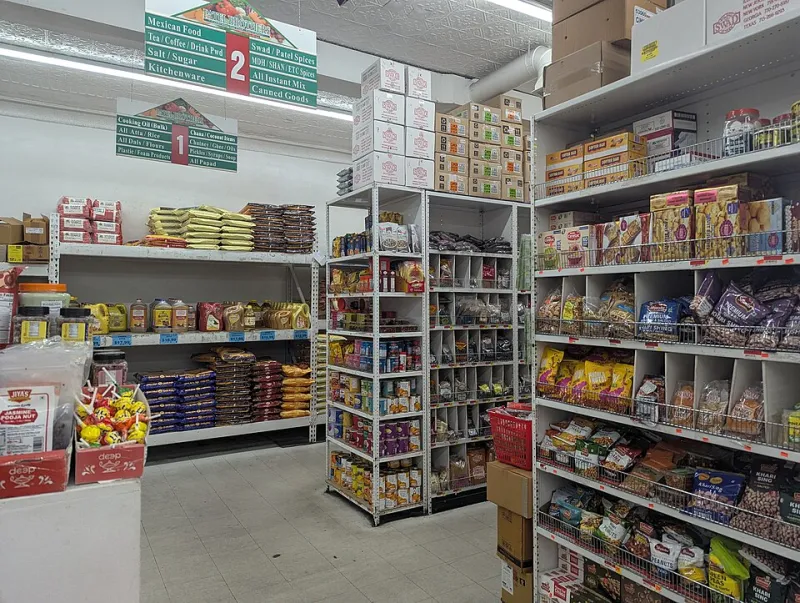
Shelves of Belonging: How Ethnic Grocers Keep Heritage in Stock

For immigrant communities, the neighborhood grocery is a classroom, a bulletin board, and a memory palace. As these stores face rising rents and shifting tastes, their role as informal archives is becoming clearer and harder to protect.

When the Lights Go Dark: Saving the Vanishing Art of the American Neon Sign
Community Initiatives

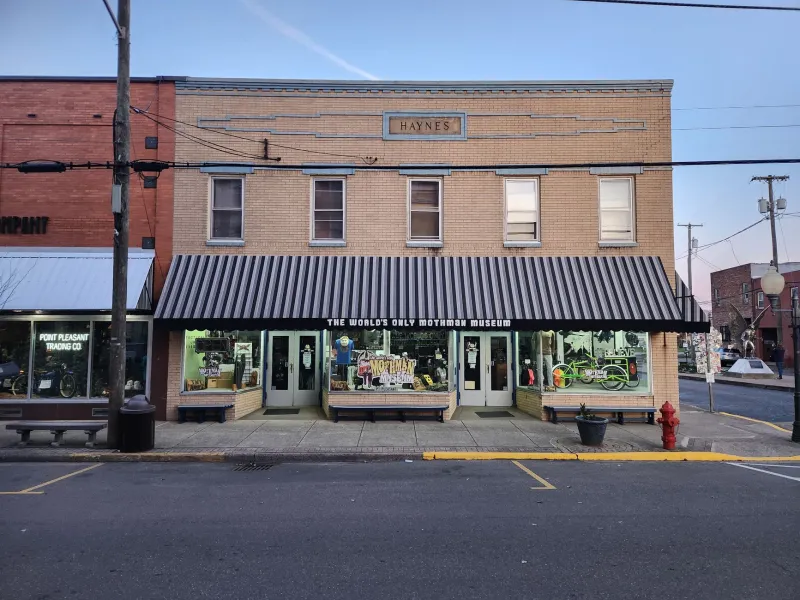
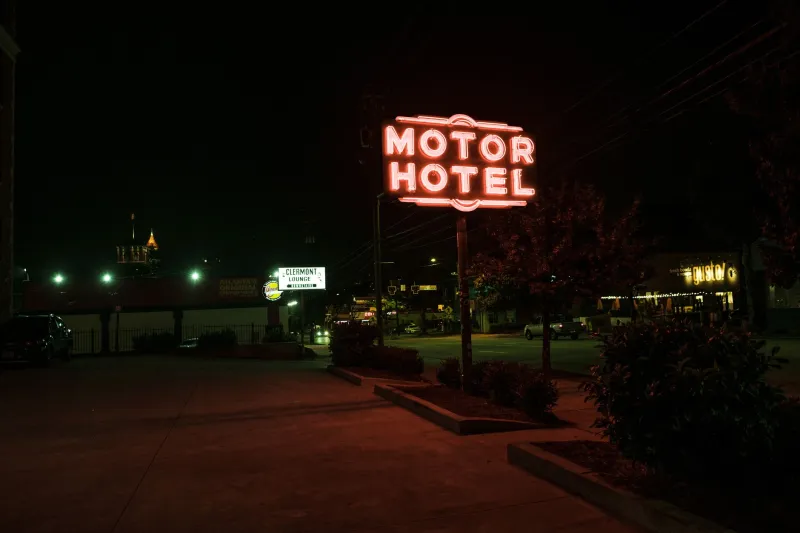
When the Lights Go Dark: Saving the Vanishing Art of the American Neon Sign

As main streets modernize, the glowing glass landmarks of the twentieth century are coming down. A network of collectors, museums, and apprentice tube-benders is racing to keep the craft — and the streetscapes it defined — alive.

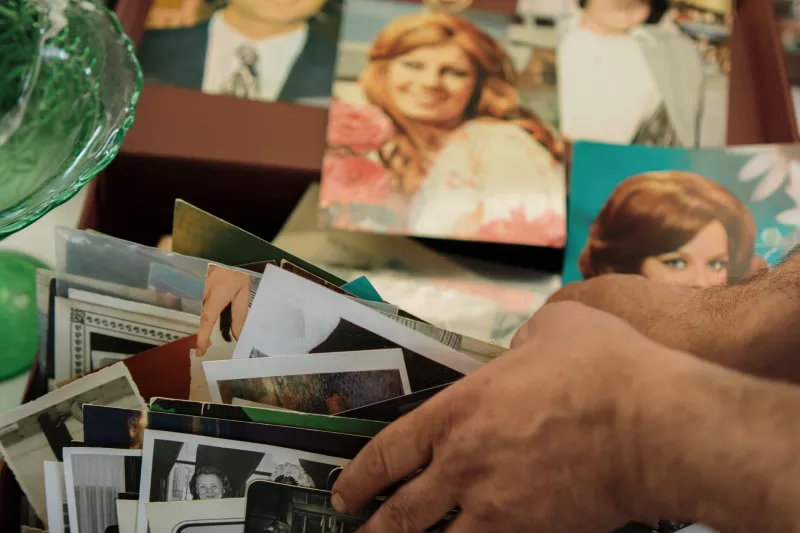
Sauce-Stained Archives: The Quiet Hunt for America's Handwritten Recipe Cards
Heritage & Community

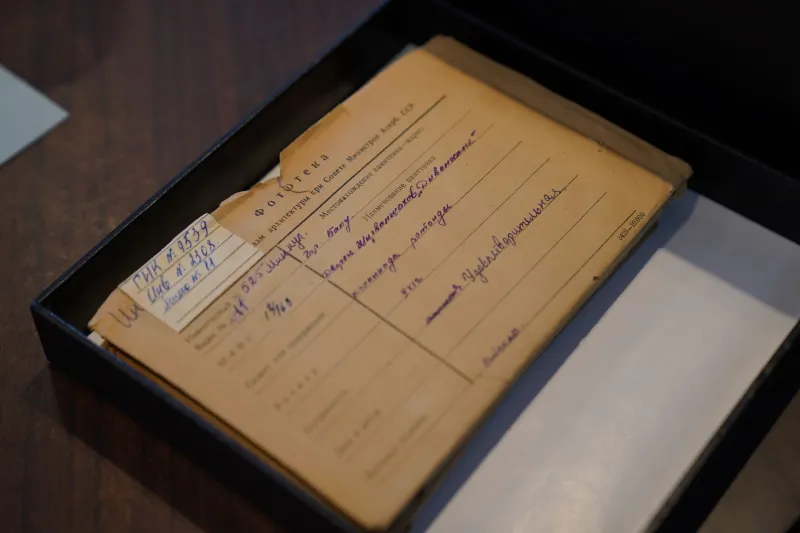
Sauce-Stained Archives: The Quiet Hunt for America's Handwritten Recipe Cards

In attics, estate sales, and scanning marathons, collectors are rescuing the humble recipe card from oblivion. What these flour-dusted documents reveal about immigration, economy, and family far exceeds anything found in a published cookbook.

Where the Amateurs Gather: Seven Unlikely Stages Keeping Folk Tradition Alive
Arts & Culture Opinion

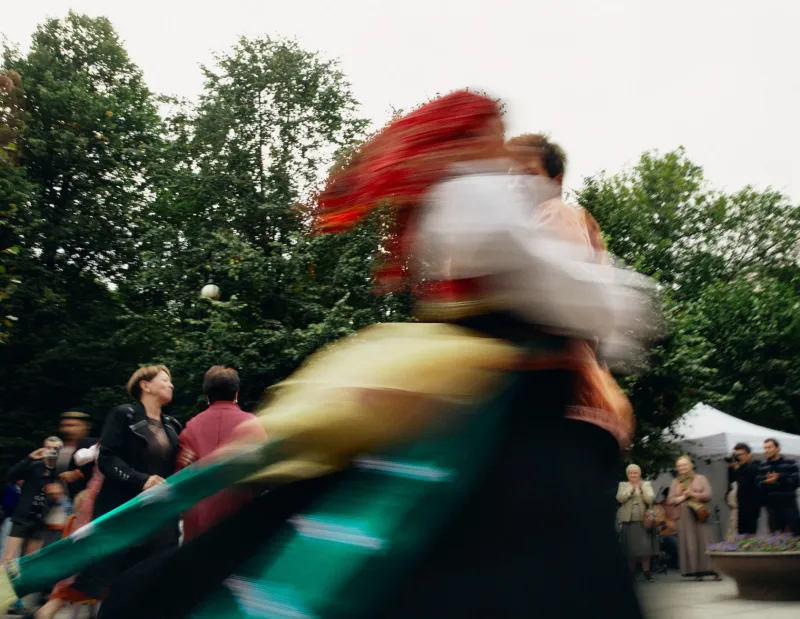
Where the Amateurs Gather: Seven Unlikely Stages Keeping Folk Tradition Alive

Tradition does not survive in glass cases. It survives in Brooklyn warehouses, college gyms, and cohousing common rooms — wherever ordinary people decide to keep showing up. A tour of seven unlikely stages.

Inherited Memory: How Young Americans Are Building Digital Archives Their Families Never Had
Heritage & Community

Inherited Memory: How Young Americans Are Building Digital Archives Their Families Never Had

Across the United States, a quiet archival movement is taking shape in the hands of people who were never trained as archivists. Young Americans — many from immigrant, Indigenous, and working-class backgrounds — are using digital tools to document family histories, cultural practices, and community narratives that formal institutions have long overlooked or actively excluded. What they are building is both a personal act of love and a structural response to generations of institutional neglect.

Sound from the Street: How Hip-Hop Producers Are Turning Neighborhood Voices Into Cultural Documents
Arts & Culture Opinion

Sound from the Street: How Hip-Hop Producers Are Turning Neighborhood Voices Into Cultural Documents

A new generation of hip-hop and electronic producers is treating the sonic fabric of their communities as raw material worthy of preservation and amplification. By weaving street interviews, ambient neighborhood sounds, and local dialects into their compositions, these artists are constructing something far more durable than a hit record — they are building an archive. The question is whether mainstream audiences are prepared to receive it on those terms.

The Festival Paradox: When Cultural Celebrations Risk Displacing the Communities They Honor
Community Initiatives

The Festival Paradox: When Cultural Celebrations Risk Displacing the Communities They Honor

Across the United States, arts and heritage festivals draw crowds, generate revenue, and place local traditions on a wider stage — yet the residents and artists at the heart of those traditions do not always share in the benefits. A closer examination of how community festivals are structured, funded, and marketed reveals a persistent gap between celebratory intention and economic reality. Understanding that gap is essential for anyone committed to festivals that genuinely serve the communities

Whose Walls, Whose Stories? The Quiet Revolution Reshaping America's Museums from Within
Arts & Culture Opinion

Whose Walls, Whose Stories? The Quiet Revolution Reshaping America's Museums from Within

Across the United States, a generation of curators, community advocates, and institutional leaders is challenging the foundational assumptions of how museums collect, display, and interpret culture. The stakes are not merely aesthetic—they are deeply political, touching questions of power, belonging, and whose history is deemed worthy of preservation. This investigation examines both the meaningful progress and the entrenched resistance defining this pivotal moment in American cultural life.

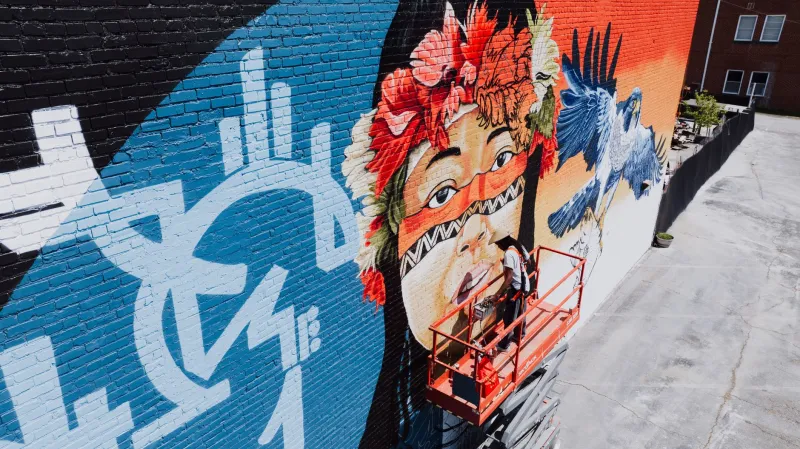
On Their Own Terms: How Indigenous Artists Are Rewriting the Visual Story of America
Heritage & Community

On Their Own Terms: How Indigenous Artists Are Rewriting the Visual Story of America

Contemporary Indigenous artists across the United States are constructing a new visual vocabulary that refuses the constraints of romanticized depiction and institutional gatekeeping. From urban studios to sovereign nation galleries, these creators are building careers rooted in cultural self-determination—challenging mainstream art markets while cultivating audiences on their own conditions. Their work is not a correction to American art history; it is an expansion of it.

Creative Ground: The Arts Programs Quietly Redefining Healing and Justice Inside America's Hardest Spaces
Community Initiatives

Creative Ground: The Arts Programs Quietly Redefining Healing and Justice Inside America's Hardest Spaces

In correctional facilities, rehabilitation centers, and communities fractured by trauma, a network of arts-based programs is demonstrating that creative expression can accomplish what punitive systems often cannot: genuine human restoration. These initiatives—many operating with minimal funding and maximum commitment—are building evidence for a fundamentally different vision of what justice and recovery can mean in America. Their participants' stories offer a compelling case for culture as a too

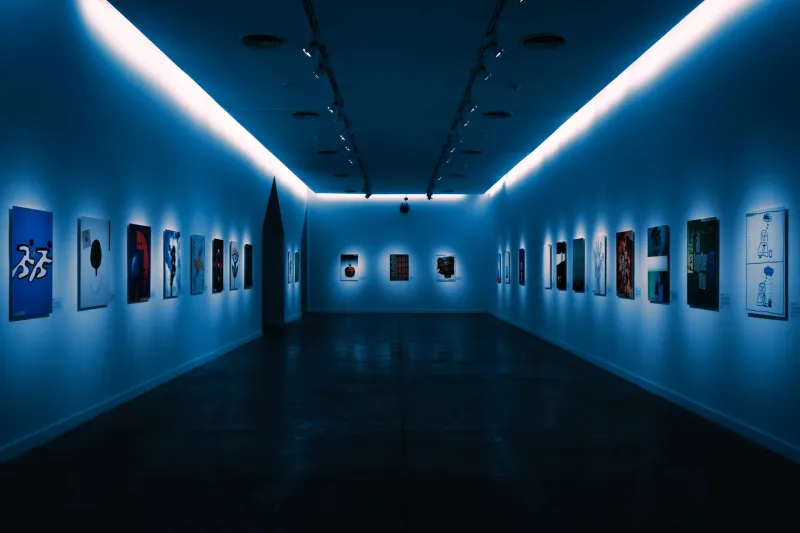
Beyond the White Cube: How Renegade Exhibition Spaces Are Democratizing the Art of Storytelling
Community Initiatives

Beyond the White Cube: How Renegade Exhibition Spaces Are Democratizing the Art of Storytelling

Across the United States, a quiet revolution in cultural curation is unfolding in strip mall storefronts, converted warehouses, and community living rooms. Independent, artist-led exhibition spaces are stepping into the gaps left by traditional museums, centering voices and histories that institutional gatekeeping has long left on the margins. This is a look at the organizers, artists, and neighbors building a new kind of cultural infrastructure from the ground up.

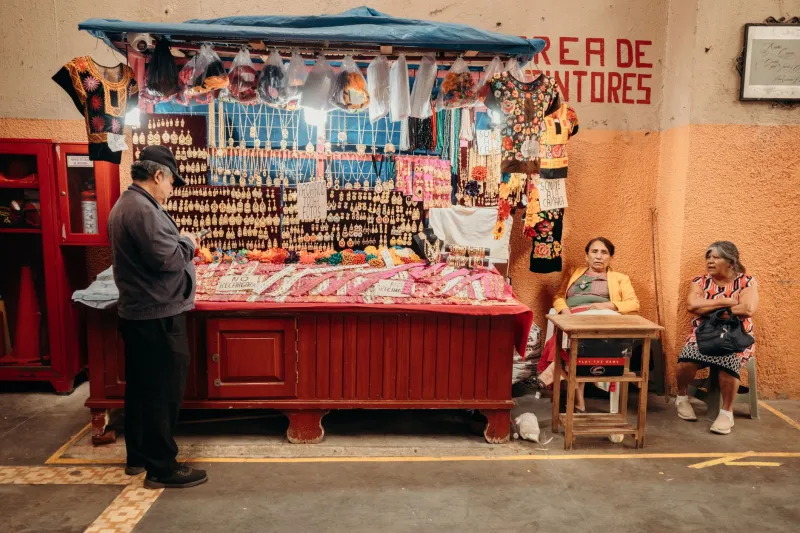
Selling the Sacred: The Uncomfortable Truth Behind the 'Authentic Craft' Label
Arts & Culture Opinion

Selling the Sacred: The Uncomfortable Truth Behind the 'Authentic Craft' Label

As demand for handmade, culturally rooted goods surges across American retail markets, a difficult question has emerged: when does celebrating a craft tradition cross into commodifying it? Artisans, cultural consultants, and ethical retailers are wrestling with the fine line between fair support and aesthetic exploitation. The answers are rarely simple, and the stakes extend far beyond the price tag.