The Chair Keeps Talking: Barbershops as Neighborhood Memory Rooms
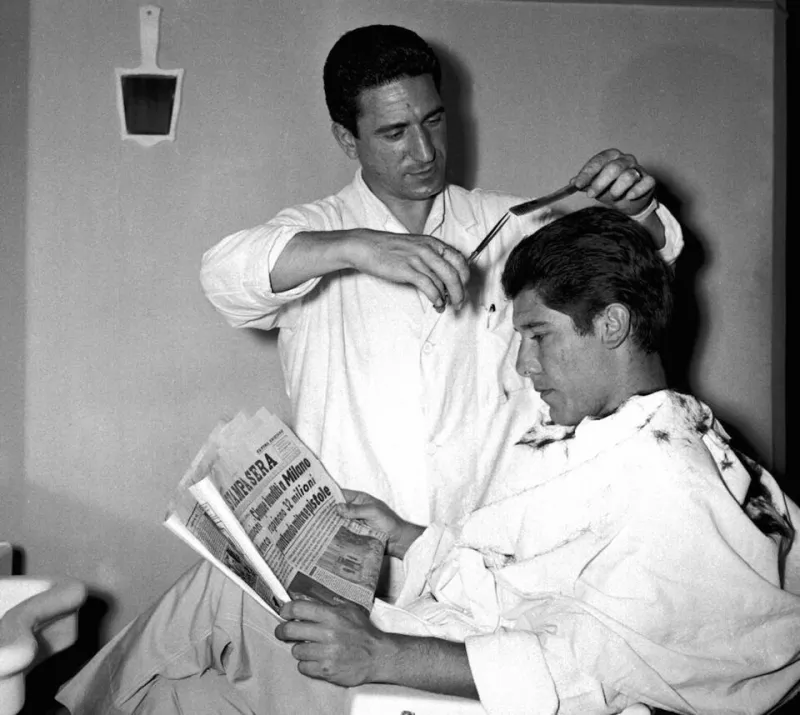
Photo: Juventus Historical Archive / LaPresse, Public domain, via Wikimedia Commons
On a Saturday morning in a Philadelphia barbershop, the clippers stop for a moment and the room leans in. An older man is describing the block as it was in 1968: the bakery, the numbers runner, the church choir that practiced in a storefront. The story is familiar to some, new to others. This time, a small recorder sits on the counter, and the barber has asked permission before pressing start.
That scene is repeating in cities across the country. Black barbershops have long served as informal town squares, places where news travels, elders are respected, and young people learn how to carry themselves. Now some shops are formalizing that role. They are hosting oral history sessions, displaying neighborhood photographs and business cards, and partnering with public libraries and community archives to preserve voices that rarely make it into official records.
An Archive With a Doorbell
A barbershop is not a museum. It has a doorbell, a schedule, and a steady flow of people who may not think of themselves as historical sources. That is exactly why the setting works. Archivists often struggle to reach working-class Black communities and older residents who are wary of institutions. The barber already has their trust.
In one Oakland shop, a back room has been converted into a listening room with a microphone, a scanner, and a binder of release forms. Customers can record a story while waiting for a cut or bring in a photograph to be digitized. In Jackson, Mississippi, a shop owner has turned a wall into a rotating exhibit of neighborhood ephemera: church fans, school reunion programs, a 1970s business license. In Baltimore, a barber partners with a local library to host quarterly story circles, with the library providing equipment and the shop providing the audience.
Consent Before Capture
The ethical stakes are high. A barbershop conversation can be funny, profane, and private. Not every story is meant for an archive. The best projects begin with clear consent, not a recorder left running on the counter. Participants decide whether their names can be used, whether a story can be shared publicly, and whether family members should be consulted.
Several projects have adopted community review boards, giving longtime residents the authority to shape how their neighborhood is represented. That slows the work down. It also prevents the archive from becoming a collection of extracted anecdotes rather than a relationship.
The Everyday Ephemera
Oral history gets the attention, but the objects matter too. A barbershop accumulates evidence of ordinary life: photographs taped to mirrors, faded signs, clippers that belonged to a father, a jukebox that still plays the same sides. These items are not precious in the conventional sense. They are precious because they anchor a neighborhood's memory in a specific place.
Digitization days have become a quiet tradition in some shops. Residents bring in wedding photos, military discharge papers, church programs, and letters. Volunteers scan them, return the originals, and give the owners a digital copy. The result is a people's archive, assembled in the same room where people get their hair cut.
Beyond Nostalgia
There is a risk that memory work becomes a substitute for material support. A neighborhood can celebrate its history while losing its affordable housing. A shop can host a story circle while facing a rent increase. The most thoughtful projects acknowledge that tension. They connect archival work to local advocacy, job training for young people, and intergenerational programs that do more than collect stories.
The chair remembers, but the chair also needs a roof. Preserving a barbershop's cultural role means preserving the conditions that allow the shop to stay open.
The Next Cut
For now, the recorder is a modest addition to an old ritual. The barber introduces the project, the customer says yes or no, and the clippers start again. What gets captured is not a polished history but the texture of a neighborhood talking to itself. In a country that often archives the powerful and forgets the rest, that is a quiet act of repair.