After the Bunting: Small Towns Turn the 250th Anniversary Into a Test of Memory
By the time the last fireworks faded over courthouse squares in July, many small towns had already discovered that the country's 250th anniversary was not a single party but a pressure test. The semiquincentennial invited celebration. In dozens of communities, it also invited a harder question: whose history had been polished for the parade, and whose had been left in the storage room?
This November, with the bunting packed away, local historical societies, library districts, and volunteer committees are sorting through the results. What they found is that the anniversary worked best not as a top-down spectacle but as a grassroots excuse to look closer at home.
From Spectacle to Scrutiny
In a New England town, a committee expected to plan a parade instead spent months documenting the enslaved laborers who had helped build the meetinghouse at the center of the green. In a Midwestern county, volunteers mapped the boarding houses where immigrant workers lived a century ago, then published a walking tour that drew residents who had never set foot in the old neighborhood. In a Southern river town, elders were recorded in kitchens and church halls, their recollections of school desegregation added to a digital collection that the public library now hosts.
None of these projects fit a single template. That is the point. The 250th anniversary gave small communities permission to treat local history as unfinished business rather than a finished product. A parade can be organized in weeks. A credible public history project takes longer, and it often begins with an uncomfortable question.
The Ledger and the Lawn Chair
Tensions were predictable. Some residents wanted flags, marching bands, and a ceremony that felt like a birthday. Others wanted a reckoning with the parts of the town's past that had been quietly omitted. The most durable projects did not choose one side. They made room for both, then let the historical record complicate the celebration.
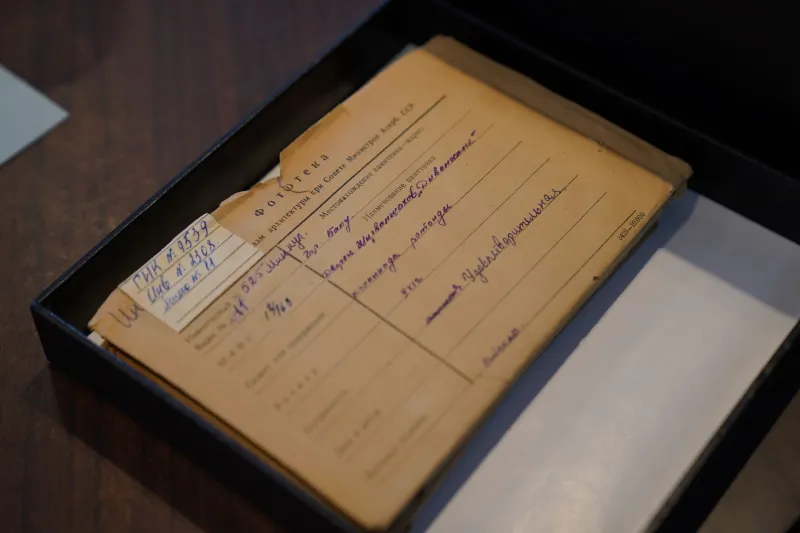
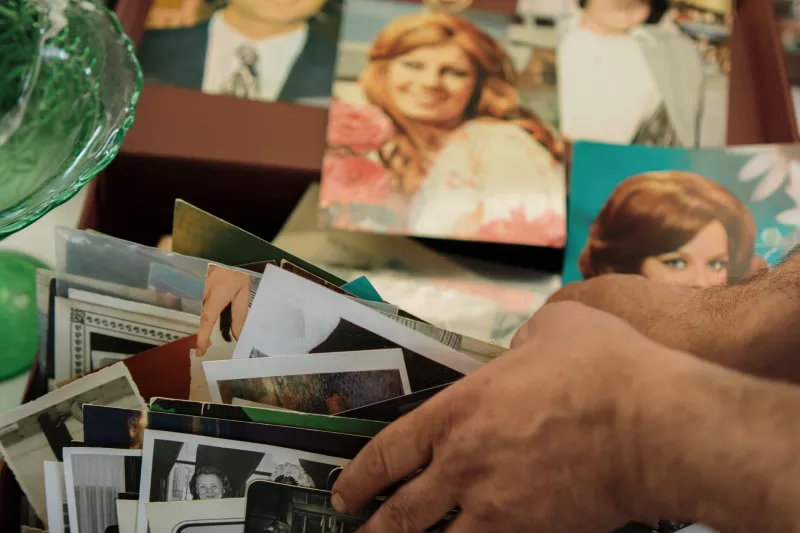
A common compromise was the annotated celebration: a traditional July program paired with an exhibit that explained who had been excluded from the town's earlier anniversaries. Another was the family history tent, where residents could bring deeds, photographs, and letters to be scanned. At one county fair, a booth labeled 'Ask a Historian' drew a steady line of people with questions about ancestors, property lines, and the names on old maps.
Funding came from a patchwork of state humanities councils, local foundations, and small donations. That patchwork has limits. Volunteers burned out. Some committees discovered that the anniversary year brought attention but not necessarily a permanent budget. The question now is whether the work continues after the candles are blown out.
Who Gets to Hold the Microphone
One lesson echoes across these projects: community authority matters. Descendants reviewed scripts before they were printed. Tribal historians were consulted before a Western town erected a marker about a disputed trail. In several places, residents were invited to correct the record, not simply admire it.
That approach can be slow, and it can be messy. It also produces better history. When a town asks residents to name what has been missing, it discovers that memory is not a single story but a set of arguments that a community has learned to manage. The 250th anniversary did not settle those arguments. In the best cases, it made them visible, civil, and productive.
The Work After the Fireworks
The anniversary year is over. The work is not. Committees are now deciding which exhibits become permanent, which recordings become curriculum, and which walking tours become annual traditions. Some are training docents. Others are building relationships with schools that had long treated local history as a unit to be covered in May and forgotten in June.
Small towns do not need a federal commission to keep asking who they are. They need the quieter infrastructure of public memory: a librarian who knows the collection, a volunteer who can run a scanner, a teacher willing to take students into the cemetery with a question rather than a worksheet.
If the 250th anniversary was a mirror, small towns are now deciding whether to keep looking. The ones that do may find that patriotism is not only a matter of what a community celebrates. It is also a matter of what a community is willing to remember.