Sauce-Stained Archives: The Quiet Hunt for America's Handwritten Recipe Cards
A Shoebox Full of Evidence
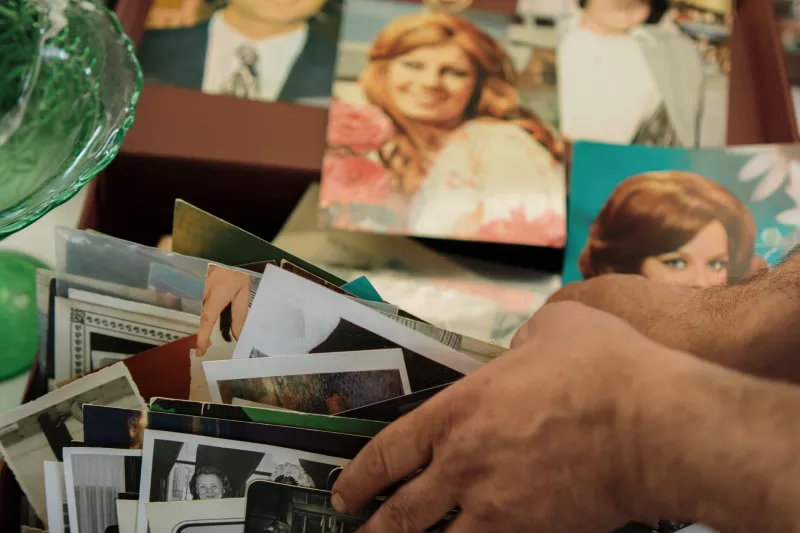
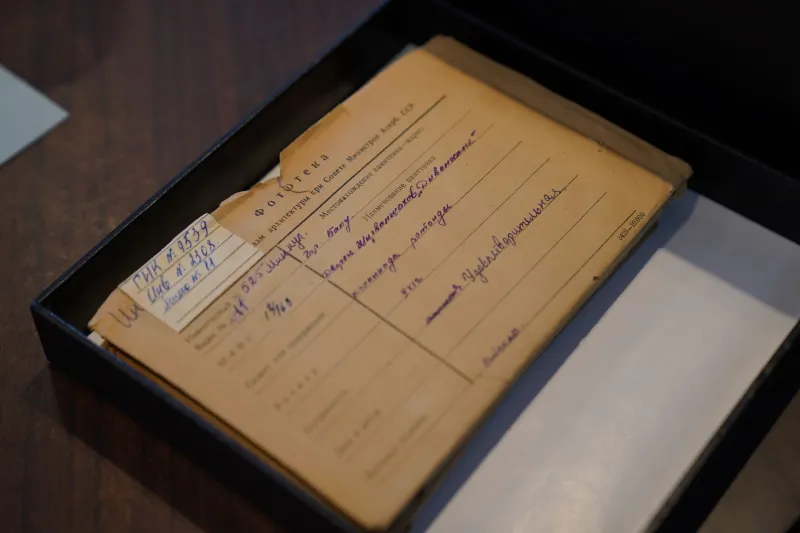
At a estate sale in suburban Cleveland, a dealer recently priced a shoebox of handwritten recipe cards at two dollars. Among them was a card for pierogi dough, annotated in Polish and English, with a note in the margin: "For Helen — use less salt, her husband's heart." That single sentence contains an immigration story, a medical history, a friendship, and a regional foodway — none of which appears in any published cookbook.
Across the United States, a quiet movement of archivists, collectors, and grandchildren is treating such cards not as kitchen clutter but as primary sources. Their conviction is simple: the handwritten recipe is one of the last unmediated records of American domestic life.
Why Formal Cookbooks Left So Much Out
Published cookbooks, by their nature, standardize. They are edited, tested, and stripped of context. The recipe card, by contrast, records improvisation. Substitutions forced by wartime rationing. Measurements in "cups" that refer to a specific coffee tin. Oven temperatures given as "moderate, until it smells right."
Food historians point out that these documents capture economic conditions with unusual precision. A card from the 1930s stretching a pound of ground beef across two meals tells a Depression story. A 1950s casserole built on canned soup and processed cheese tells a story of industrial food and postwar convenience. A 1980s tamale recipe learned over the phone from a grandmother in Guadalajara tells a migration story in real time.
The New Keepers
The preservation effort takes several forms. Estate sale hunters now comb through kitchen drawers before furniture is carted off. Digital archivists run scanning days at public libraries, inviting families to photograph their inherited cards alongside oral explanations of what the abbreviations mean. University special collections have begun accepting recipe boxes as archival material, cataloging them alongside letters and ledgers.
Social media has accelerated the work. Communities devoted to vintage recipe trading have swelled, with members decoding terms like "butter the size of a walnut" and recreating dishes from century-old cards, then posting the results. What began as nostalgia often becomes serious research.
What Gets Lost When the Kitchen Clears Out
The urgency is real. When an elder dies and the household is dispersed, the recipe box frequently ends up in a landfill or a dumpster — unread, unexplained, and unrecoverable. Unlike furniture or jewelry, its value is not obvious to anyone outside the family.
Preservationists urge families to do three things: locate the cards now, record the stories attached to them while the storytellers are living, and store the originals away from humidity and sunlight. A scanned card preserves the words; a recorded conversation preserves the meaning.
An Inheritance Worth More Than Its Paper
The Thiqar Arts & Heritage mission has always held that culture lives in ordinary acts, and few acts are more ordinary than feeding a family. The recipe card is where heritage, community, and creativity converge on a three-by-five inch piece of paper.
The pierogi card from Cleveland sold before the sale ended. The buyer, a young woman who grew up two streets from the house, recognized the handwriting. It belonged to her Sunday school teacher. The card now hangs framed in her kitchen — a two-dollar document, and an heirloom without price.