Shelves of Belonging: How Ethnic Grocers Keep Heritage in Stock
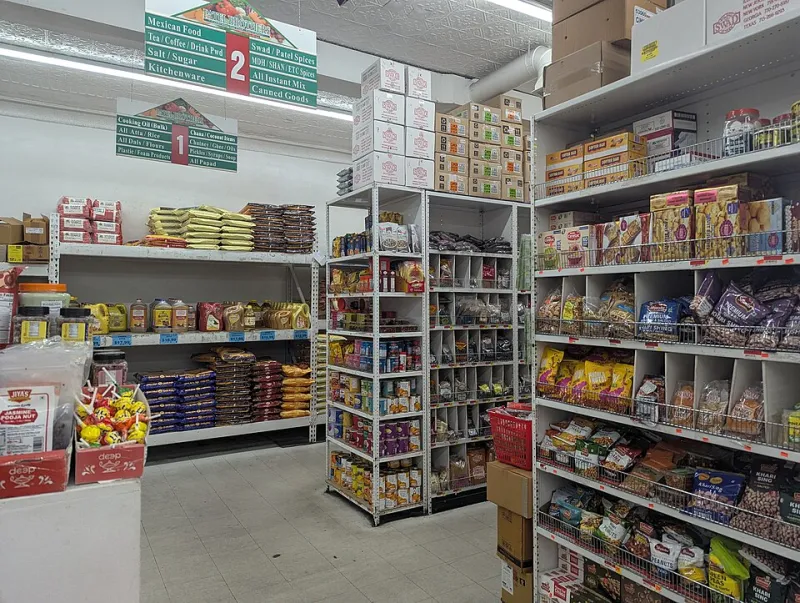
Photo: Sdkb, CC BY-SA 4.0, via Wikimedia Commons
Walk into a Vietnamese market in Houston and you may hear three languages before you reach the produce. In a Mexican tienda in Chicago, the owner knows which family needs the right chile for a grandmother's recipe. In a West African grocery in the Washington, D.C., suburbs, a bulletin board carries notices for church services, tutoring, and a lost dog. These are ordinary commercial spaces. They are also where heritage is kept in stock.
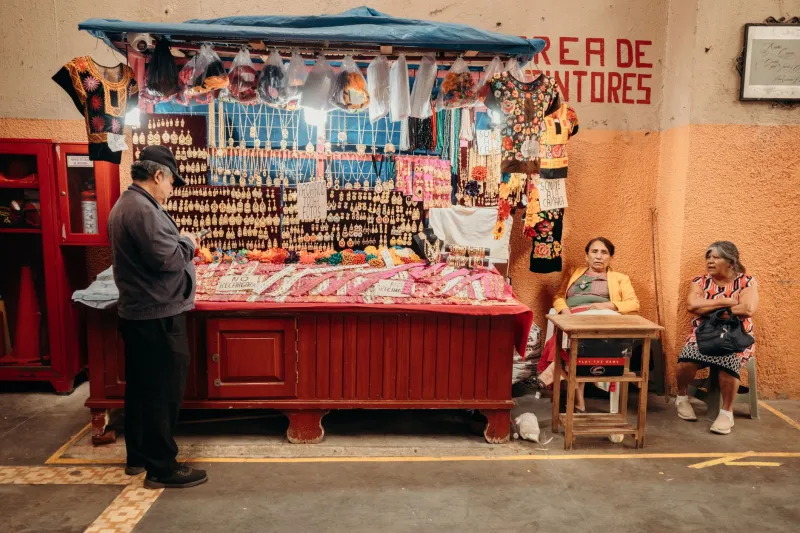
For immigrant communities, the local grocery is more than a place to buy food. It is a cultural hub where language, tradition, and memory are passed down. Recipes are explained at the register. Holiday calendars are posted by the door. Children translate for parents and, in the process, learn the names of ingredients they will later cook for their own families.
More Than a Market
The inventory tells a story. A shelf of dried herbs can indicate which regional cuisines a neighborhood carries. A freezer case may hold dumplings, banana leaves, or a specific cut of meat that a chain supermarket would never stock. The store owner becomes a cultural interpreter, answering questions that no search engine can answer with the right nuance.
These stores also function as informal community centers. They post notices for weddings, funerals, English classes, and immigration clinics. They extend credit, hire relatives, and deliver to elders. During the pandemic, many became informal supply chains for families who could not navigate larger stores in English. That role did not end when emergency orders lifted.
The Informal Archive
An archive is usually a climate-controlled room with boxes and finding aids. An ethnic grocery is a set of shelves with handwritten labels. Yet it performs similar work. It preserves knowledge about what to cook, when to cook it, and how to serve it. It keeps a language alive in the names of products. It holds the memory of a village or a city through a particular brand of tea or a specific style of bread.
Oral instruction matters most. A customer asks how to prepare a vegetable, and the owner demonstrates with a gesture. A younger shopper asks what her mother used for a holiday dish, and the answer comes as a story. The archive is not behind glass. It is weighed at checkout.
The Pressures
These stores are vulnerable. Rising commercial rents, supply-chain disruptions, and competition from larger chains can squeeze narrow margins. Succession is another challenge: the children of owners often choose other careers. When a store closes, a neighborhood loses more than convenience. It loses a translator, a meeting place, and a keeper of small but essential knowledge.
Gentrification can change the customer base without eliminating the need. New residents may appreciate the store's food but not understand its social role. Longtime customers may move away. The store becomes a symbol of diversity while becoming less accessible to the community that built it.
What Support Looks Like
Supporting these stores requires more than a shop-local campaign, though buying from them matters. Community initiatives can help with language access, microgrants for facade improvements, and technical assistance for online ordering. Commercial land trusts and long-term leases can protect vulnerable businesses from displacement. Public libraries and historical societies can partner with grocers to record oral histories and digitize family recipes.
The goal is not to freeze a neighborhood in amber. It is to protect the institutions that allow culture to adapt in place. A grocery that can change with its customers remains useful. A grocery that is priced out cannot.
The Shelf as Public Memory
Heritage work often looks backward. The ethnic grocery reminds us that it also looks forward. Every time a parent buys a familiar ingredient for a child who was born here, a tradition is being negotiated, not simply repeated. The store provides the setting for that negotiation.
The next time you need a specific spice or a cut of meat you cannot name, ask the person who sells it. You may be doing heritage work without knowing it. And the neighborhood may be keeping more than food on the shelf.