Ground Truth: When Cultural Groups Decide to Become Their Own Landlord
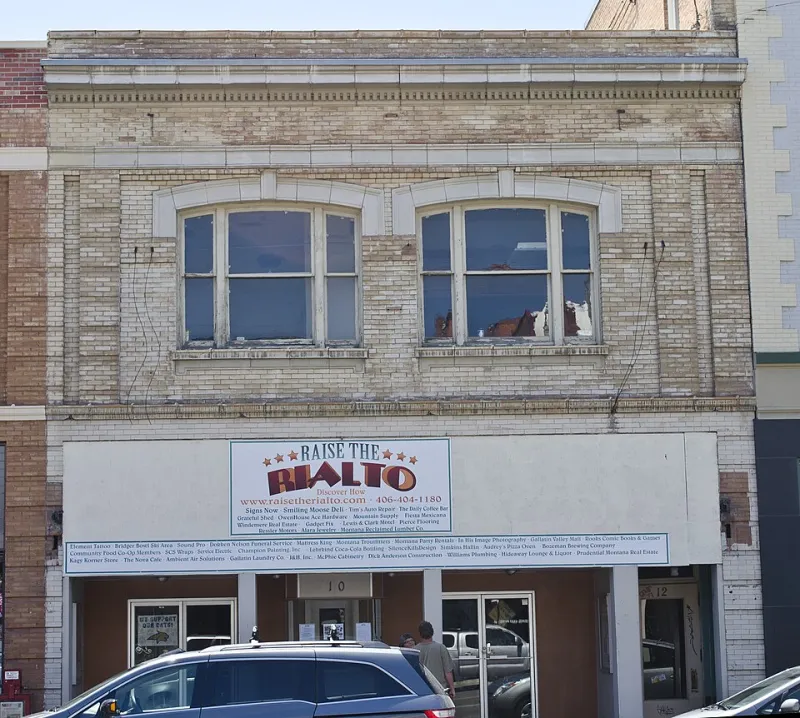
Photo: Tim Evanson, CC BY-SA 2.0, via Wikimedia Commons
The lease renewal arrives in the mail, and the studio director reads it twice. The rent is up thirty-one percent. The building has new owners, a new plan, and a new name for the storefront downstairs. In a matter of months, a dance school that has anchored a neighborhood's Saturday mornings for nineteen years will need to find somewhere else to be.
This is the most common origin story in American cultural real estate. A community builds something in a low-cost building. The neighborhood changes. The building changes hands. The culture moves or disappears, and the neighborhood is described afterward as having lost its character, as though character were weather.
A growing number of organizations have decided that the answer is not better programming or a stronger grant application. The answer is the deed.
What a community land trust actually does
A community land trust, or CLT, separates ownership of a building from ownership of the land beneath it. The trust holds the land permanently on behalf of a defined community, usually through a nonprofit governed by residents, and offers long-term ground leases to the people who build and use what sits on it. Because the land never returns to the speculative market, the cost of occupying it stays within reach.
The model has a long history in American housing, particularly in areas where displacement pressure is severe. Its application to cultural space is newer, and the mechanics translate with surprising ease. A theater, a recording studio, a pottery, or an ethnic grocery can hold title to its building while leasing the ground beneath it at a controlled rate. If the organization eventually sells, the lease typically caps the resale price so that the next cultural tenant inherits an affordable space rather than a bidding war.
Three arrangements taking shape
The cooperative conversion. In several cities, groups of vendors who have shared a market hall for years have formed cooperatives and purchased the building collectively. Each member holds a share; governance is one member, one vote. The arrangement works best when the membership is small enough to meet and large enough to survive turnover.
The arts-anchored trust. Some land trusts have begun assembling parcels specifically to hold cultural facilities, pairing affordable studio space with housing above. The advantage is structural: a ground lease written for ninety-nine years outlasts any single grant cycle.
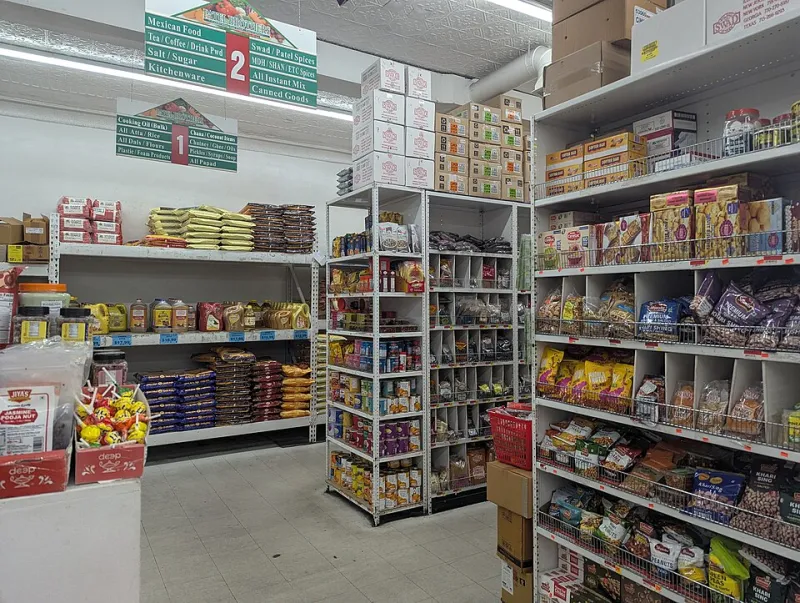
The ethnic market preservation trust. In neighborhoods where a corridor of immigrant-owned shops functions as a cultural institution in its own right, nonprofits have stepped in to buy the real estate and lease back to the existing merchants at controlled rents. The merchants keep operating; the nonprofit keeps the land off the speculative market. These deals are among the most complicated, because they require the trust to be a landlord without becoming the arbiter of who counts as authentic.
The governance tax
Every practitioner interviewed for this piece named the same obstacle, and it was not financing. It was governance.
A land trust requires a board, bylaws, annual audits, and a working relationship with a lender that understands why the land is being held separately. It requires members who can explain the model to a city council and to their own constituents. It requires patience through closings that take eighteen months rather than three.
For organizations accustomed to moving quickly, this is an unfamiliar pace. A programming grant can be applied for and spent within a year. A real estate acquisition can consume two years before a single class is taught in the new space.
There is also a subtler risk. A cultural group that becomes a landlord inherits the landlord's problems: a failing boiler, a tenant who stops paying, a roof that needs replacing in a year the endowment is down. Ownership is not freedom from obligation. It is a different and more permanent set of obligations.
The case for ownership over grants
Why pursue this when grants are simpler? Because grants and ownership solve different problems.
A grant buys a season of programming. A deed buys the conditions under which seasons can be planned. Organizations that rent are perpetually one negotiation away from losing the accumulated value of their work: the audience that knows where to find them, the neighborhood children who take the same class their parents took, the informal archive of a place that exists because people kept showing up in the same room.
Preservation, in this framing, is not nostalgia. It is the deliberate maintenance of the physical and social conditions under which cultural practice continues. A community that cannot afford a room cannot sustain a tradition, however well documented that tradition may be.
What would make the model scale
Three changes would help.
First, dedicated public capital for cultural acquisition, distinct from operating grants and structured so that small organizations can access it without a development consultant on staff.
Second, lenders and intermediaries willing to underwrite ground leases and cooperative share offerings, which remain unfamiliar to many commercial banks.
Third, technical assistance that lasts past closing. A building is not a finish line; it is the beginning of a maintenance schedule.
A slower kind of rescue
None of this is a complete answer to neighborhood change. Land trusts do not build affordable housing on their own, and they cannot stop a market from rising around them. What they can do is hold a small number of rooms in place so that the people who made a neighborhood legible to itself are still there when the next census arrives.
The lease renewal will keep arriving in mailboxes across the country. The question is which organizations will be able to answer it by simply staying put.